
WHERE WE MAKE A DIFFERENCE
CNG and LNG replace diesel and furnace oil in transport, generation and industry — cutting particulates, SOx and CO₂ at the burner tip.
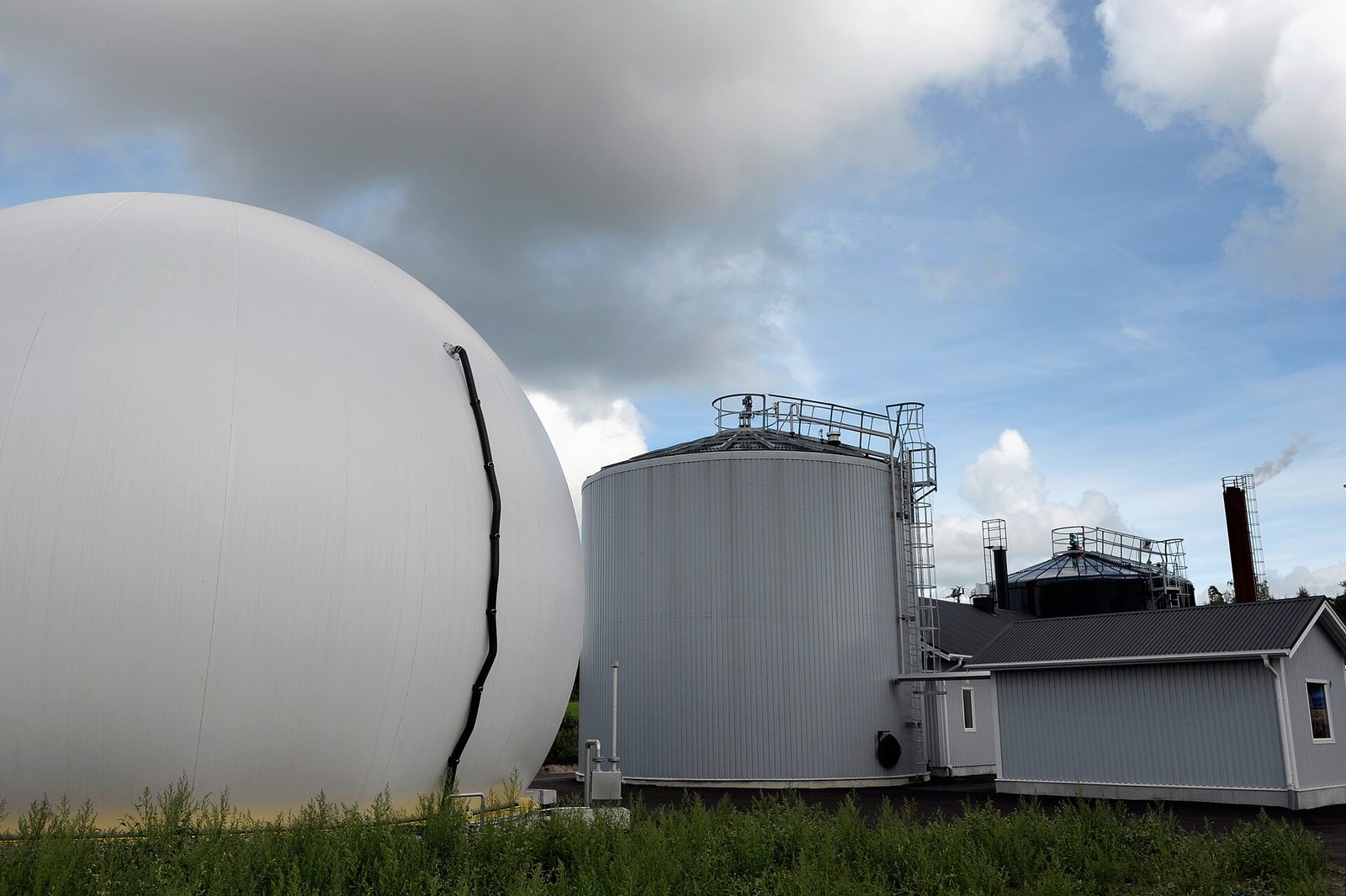
Bio-CBG turns crop residue, dung and food waste into vehicle-grade fuel and FCO-certified manure — displacing both fossil gas and chemical fertiliser.
Paddy straw bought as feedstock is straw not burned. Our aggregation model gives farmers a reason to bale instead of light a match.
Toolbox talks, permit-to-work, gas detection and emergency drills on every site — a zero-fatality target, measured and reported.
Local hiring, local vendor development and local operator training in every market we enter, particularly Nigeria.
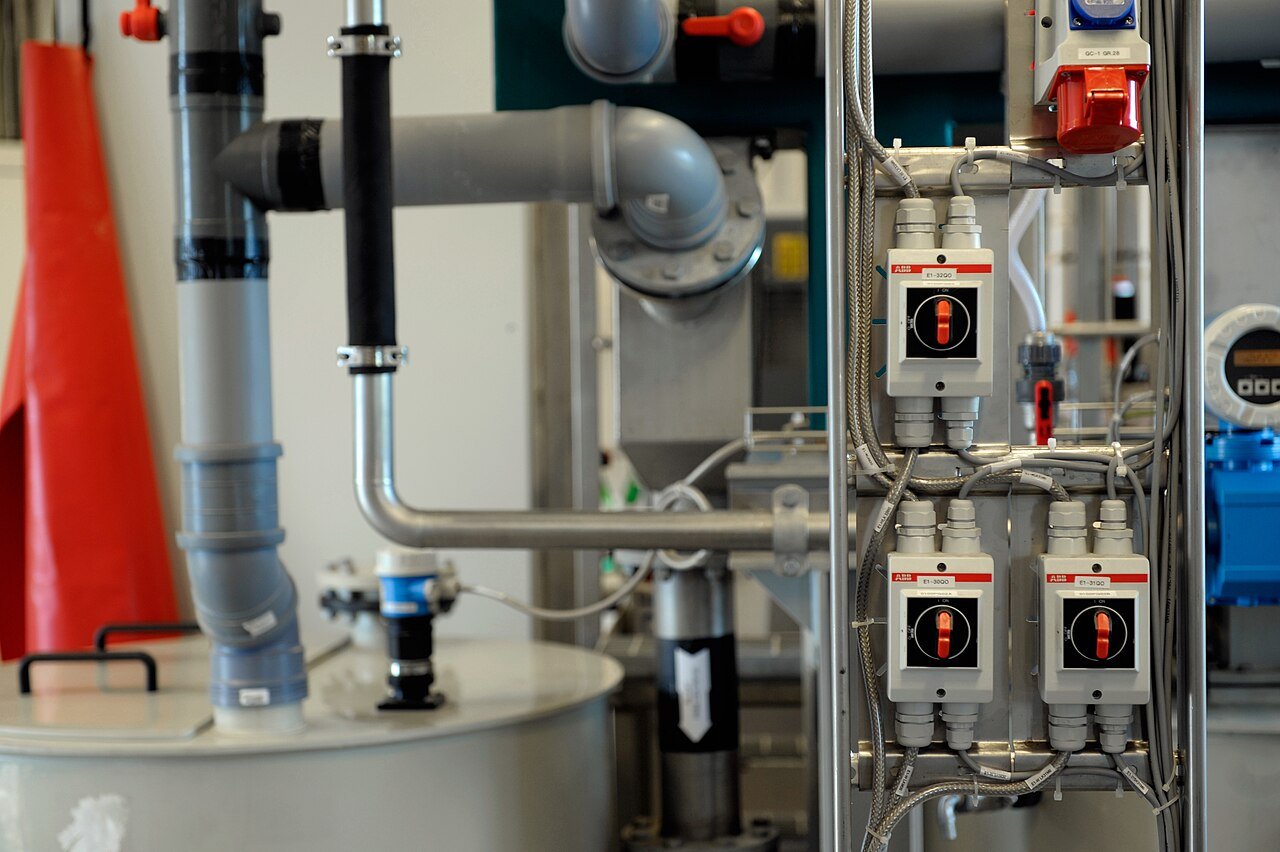
Leak detection, cathodic protection and inspection regimes — because a well-maintained gas asset is also the safest and lowest-emission one.
FARM-TO-FUEL, PAID BOTH WAYS
A CBG plant is the only energy asset that pays a farmer twice — once for the residue that goes in, and again with the fermented organic manure that comes back out. That is the economics that make rural energy stick.
- Assured feedstock purchase agreements
- FCO-certified fermented organic manure returned
- Village-level aggregation and baling support
- SATAT-linked offtake for plant stability
GAS TODAY, BIOGAS AND BEYOND
We are honest about the transition: gas is a bridge, not a destination. Our engineering deliberately builds assets that biogas, and eventually hydrogen blending, can use — so today’s capital is not stranded tomorrow.
- CBG-ready station and pipeline specifications
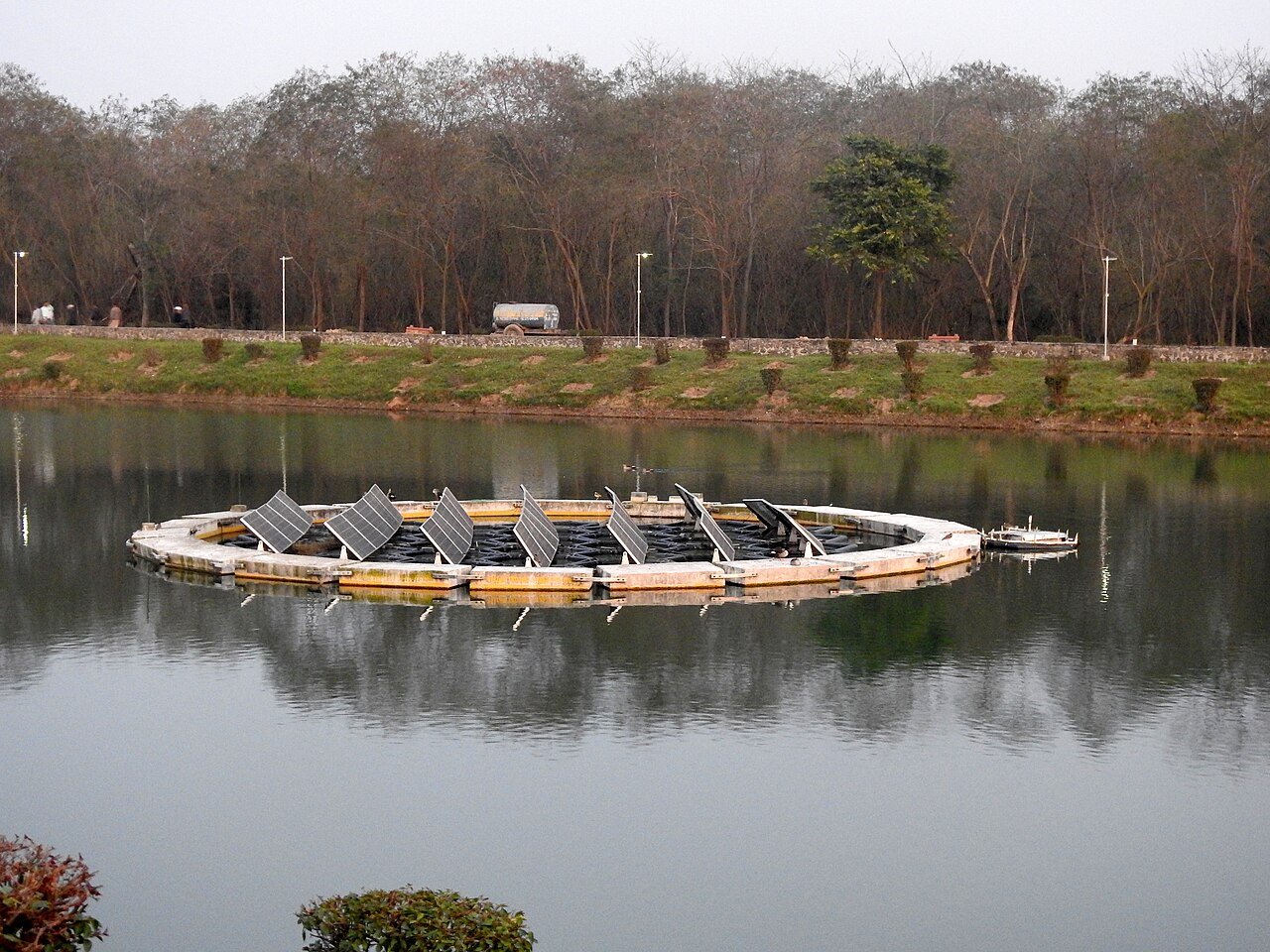
- Solar generation experience since 2013
- Efficiency-first plant and compressor selection
- Emissions accounting on request
LOOKING FOR A LOWER-CARBON FUEL PLAN?
We will model the emissions and the economics side by side.